
Understanding Pet Arthritis and Its Effects
Pet Arthritis is a degenerative joint condition that commonly affects aging dogs and cats. The condition involves inflammation within the joints, and cartilage gradually breaks down over time. As a result, pets may experience stiffness, pain, and reduced mobility.
Symptoms can develop slowly, and they may include limping, difficulty standing, and reluctance to play. Early recognition is important, and allows pet arthritis treatment to begin before the condition worsens.
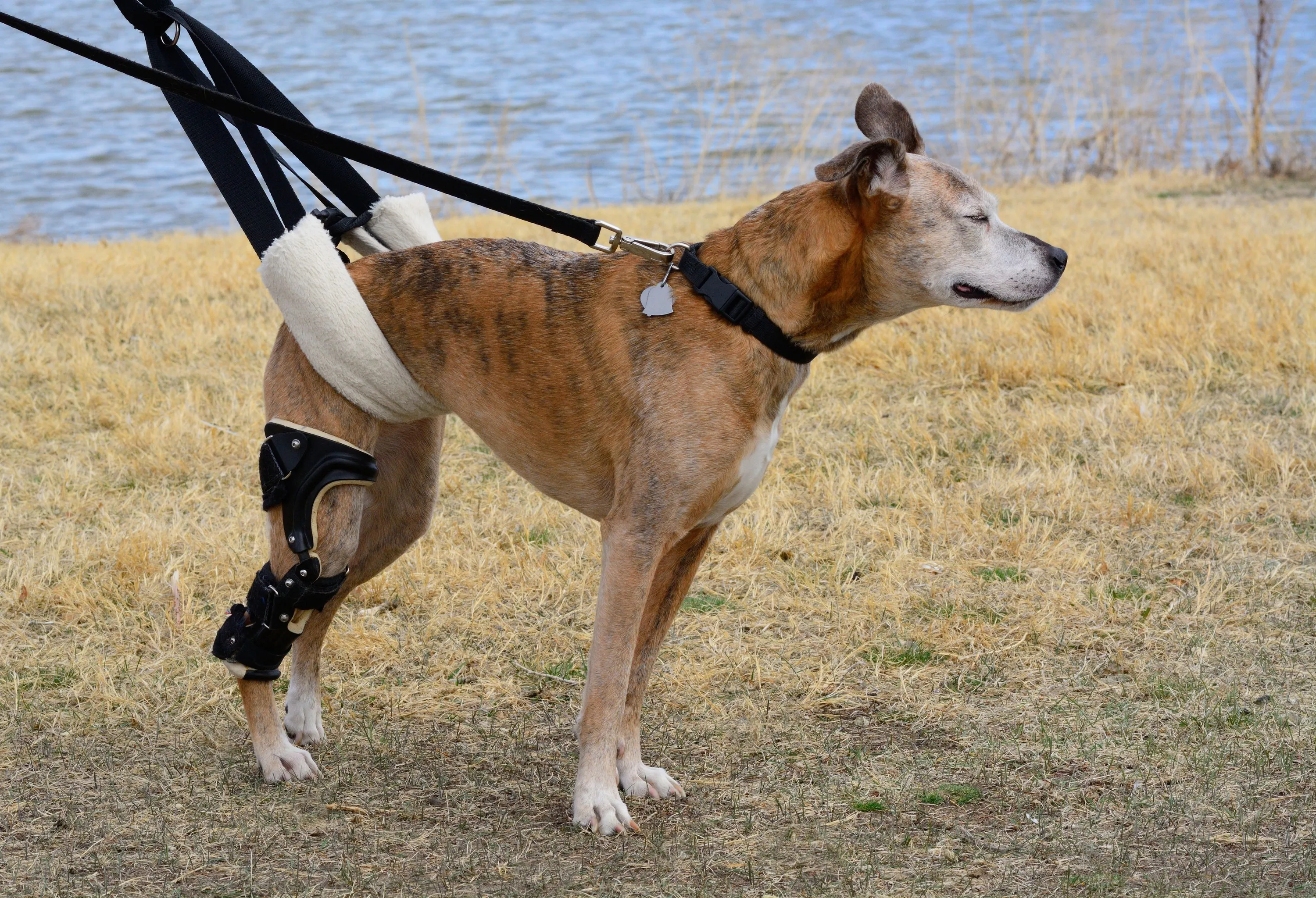
Why Non-Surgical Treatment Is Often Recommended
Non-surgical care is frequently the first approach, which focuses on managing symptoms and improving quality of life. Surgery may not be necessary in many cases, especially when arthritis is diagnosed early. Conservative care is designed to reduce inflammation, support joint health, and maintain mobility.
A veterinarian will evaluate the severity of pet arthritis, and a personalized plan will be created, which may include several therapies to support long-term comfort.
Medications for Pain and Inflammation
Medications are often used as part of pet arthritis treatment, and they help control pain and inflammation. Nonsteroidal anti-inflammatory drugs are commonly prescribed to reduce swelling in the joints. Treatment is monitored closely, and adjustments are made as needed. While medications can be effective, they are typically combined with other therapies for best results.
Nutritional Support and Weight Management
Diet plays a significant role in managing arthritis. Excess weight places additional stress on joints, and it can worsen symptoms. A balanced diet supports overall health, and it helps maintain an appropriate body weight. Joint supplements are often included, and may contain glucosamine, chondroitin, and omega fatty acids to support cartilage health and reduce inflammation. Consistent nutrition is important, and small changes can lead to noticeable improvements.
Physical Therapy and Exercise
Controlled movement is essential, and it helps maintain joint function. Physical therapy exercises are often recommended, tailored to the pet’s abilities. Gentle activities, such as walking or stretching, can improve flexibility and muscle strength. Overexertion should be avoided, and activity levels should be adjusted based on comfort. A structured routine supports pet arthritis treatment, and it helps prevent further joint damage.
Care at Grand Park Animal Clinic in Katy, TX
At Grand Park Animal Clinic in Katy, TX, pet arthritis treatment is tailored to each pet’s needs. A thorough evaluation is performed, and non-surgical options are carefully selected to improve comfort and mobility. For more information or to schedule an appointment, call our office at (281) 392-3127. With the right combination of therapies, pet arthritis can be managed effectively, and pets can enjoy an active, comfortable life.
